01
Thread material
High-quality polyester embroidery thread
Polyester thread is stitched into the design to create the lettering, logo, border, and visible embroidered texture of the patch.

Bring your logo, artwork, or idea to life with high-quality custom embroidered patches. Whether you need them for uniforms, fashion, branding, or events, our embroidered patches are crafted with precision stitching, vibrant threads, and durable backings for long-lasting use.
At YallaPatches, we specialize in creating custom embroidered patches that make your brand, team, or idea stand out – from iron-on and Velcro to sew-on logo patches, every piece is crafted with premium threads and fine detailing.
Use the submission form on this page to upload your design or share your idea. Our team will prepare a free digital preview so you can approve your custom embroidered patch before production begins.
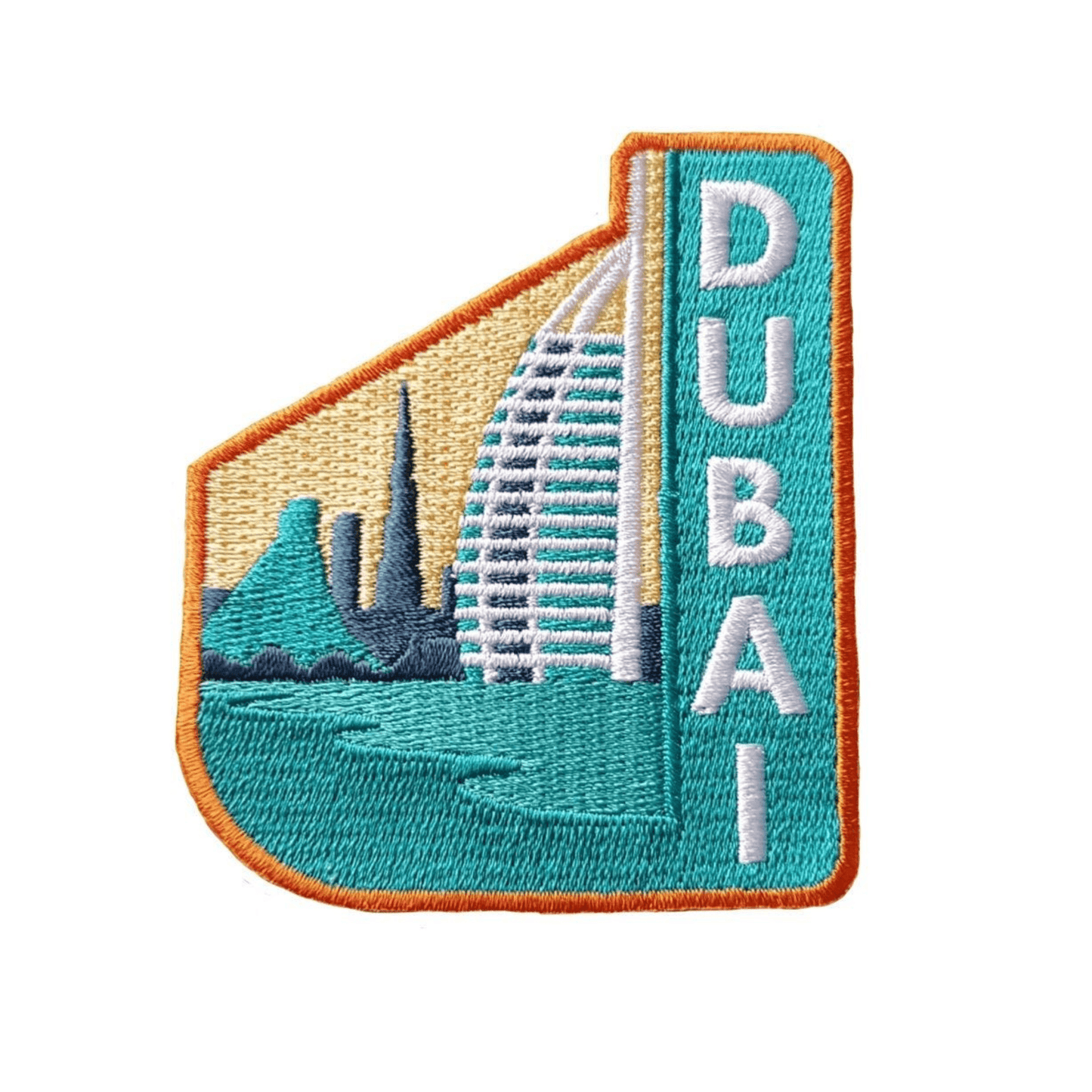
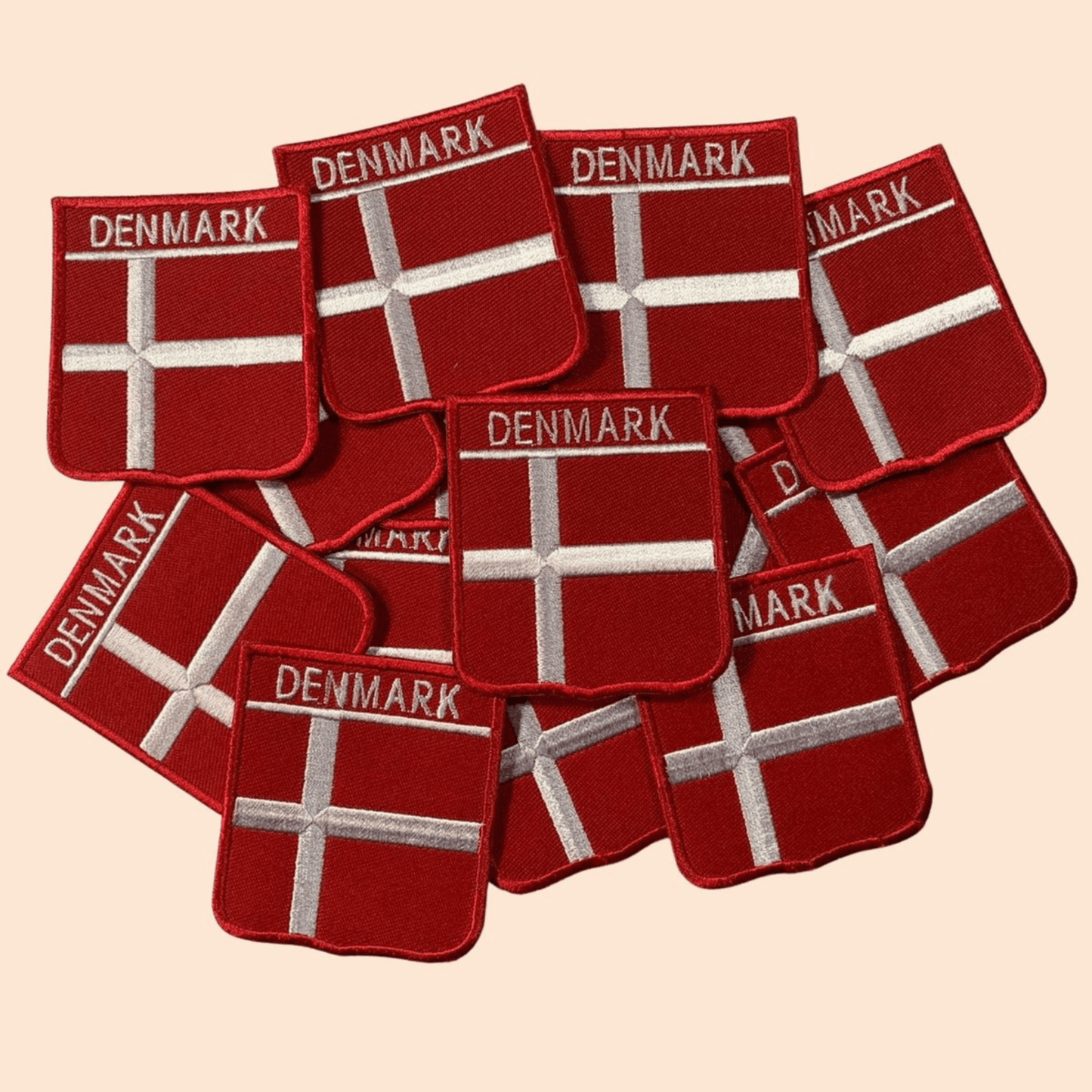
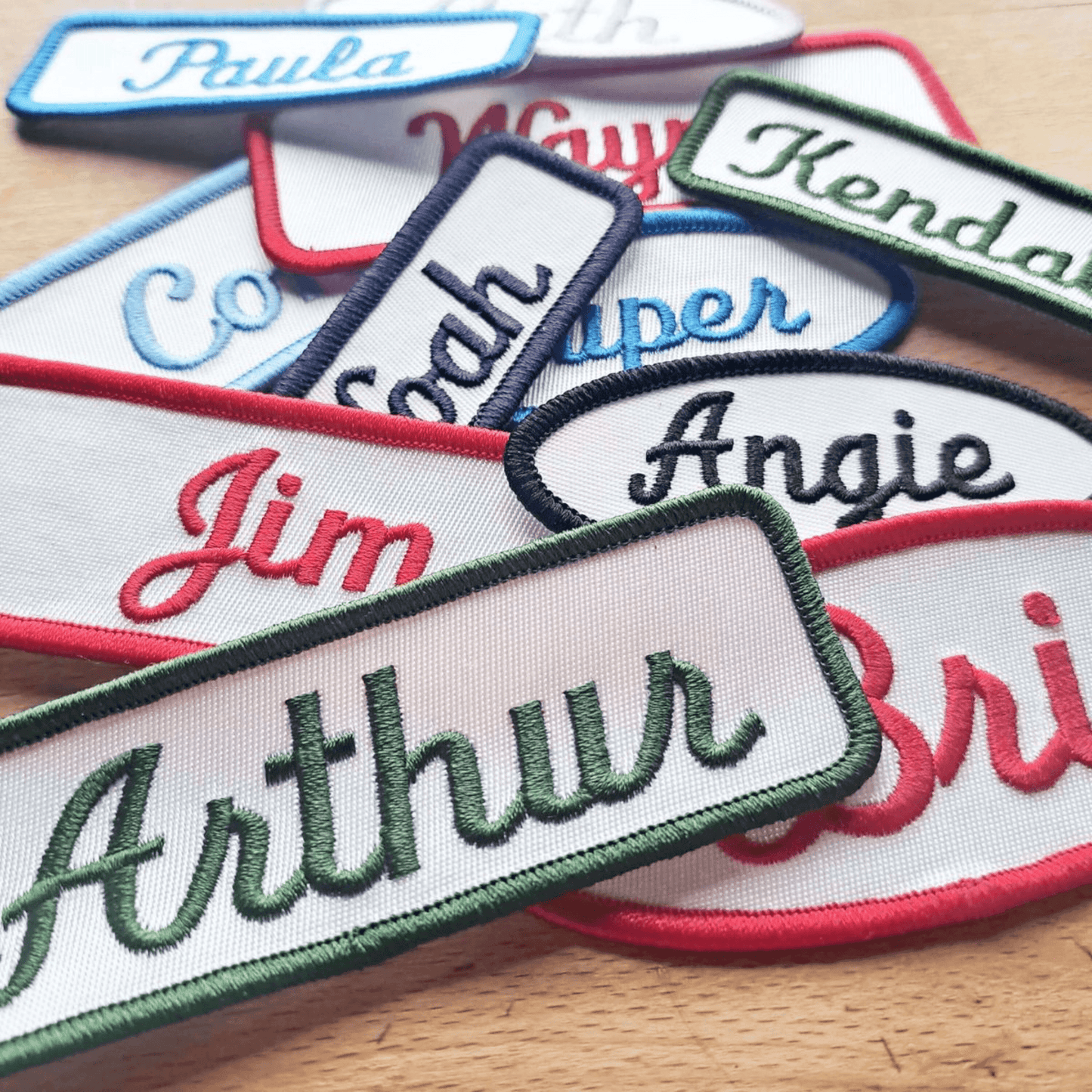
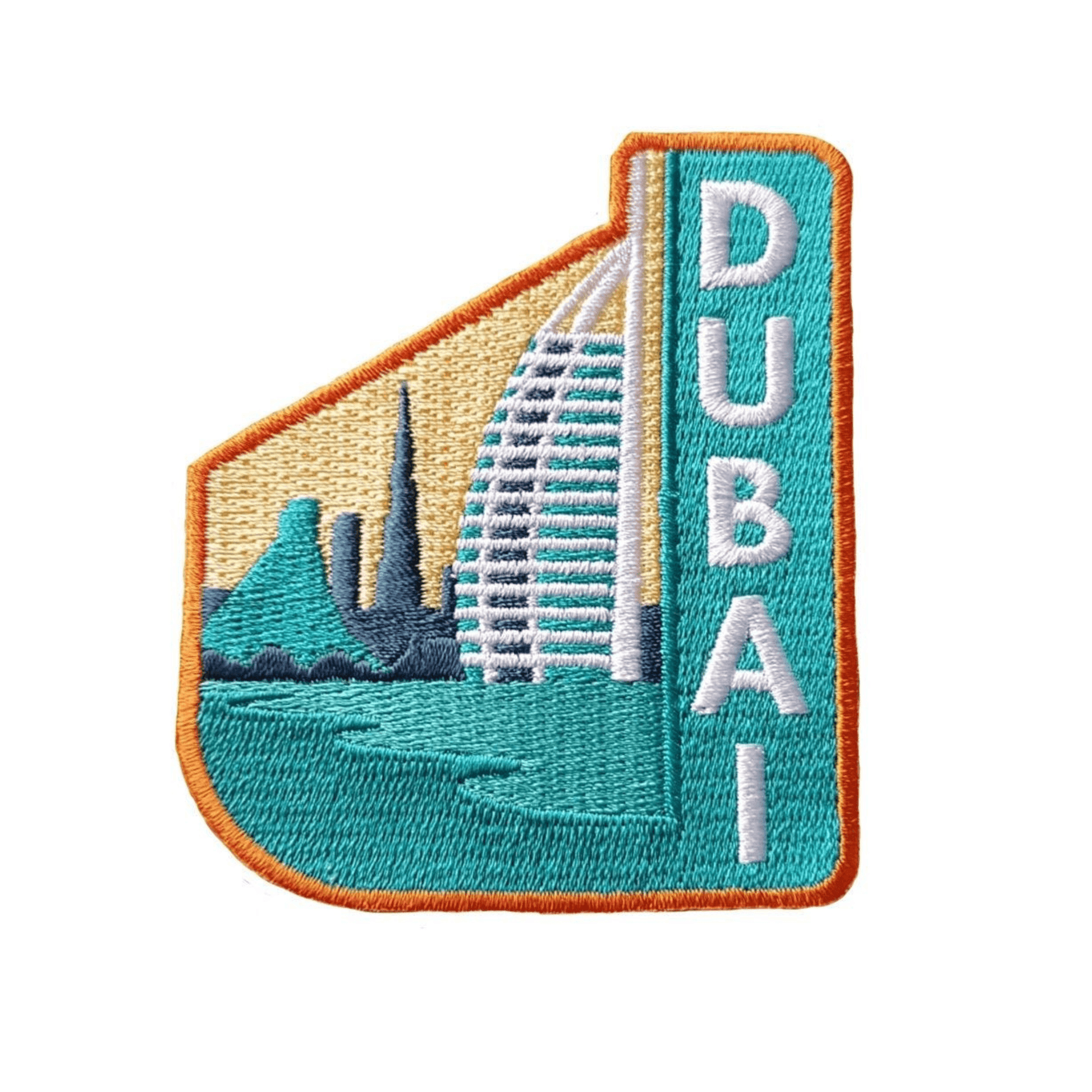
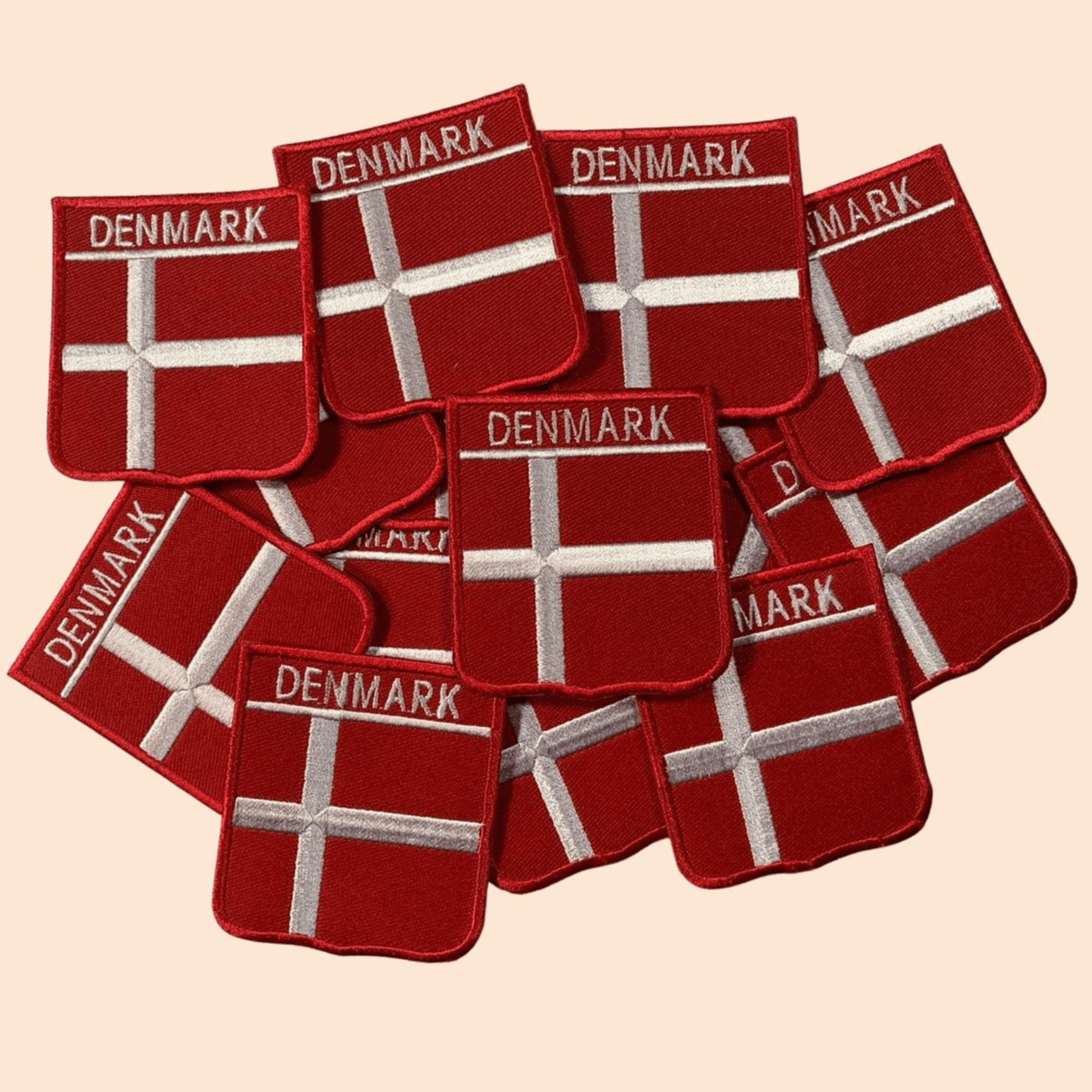
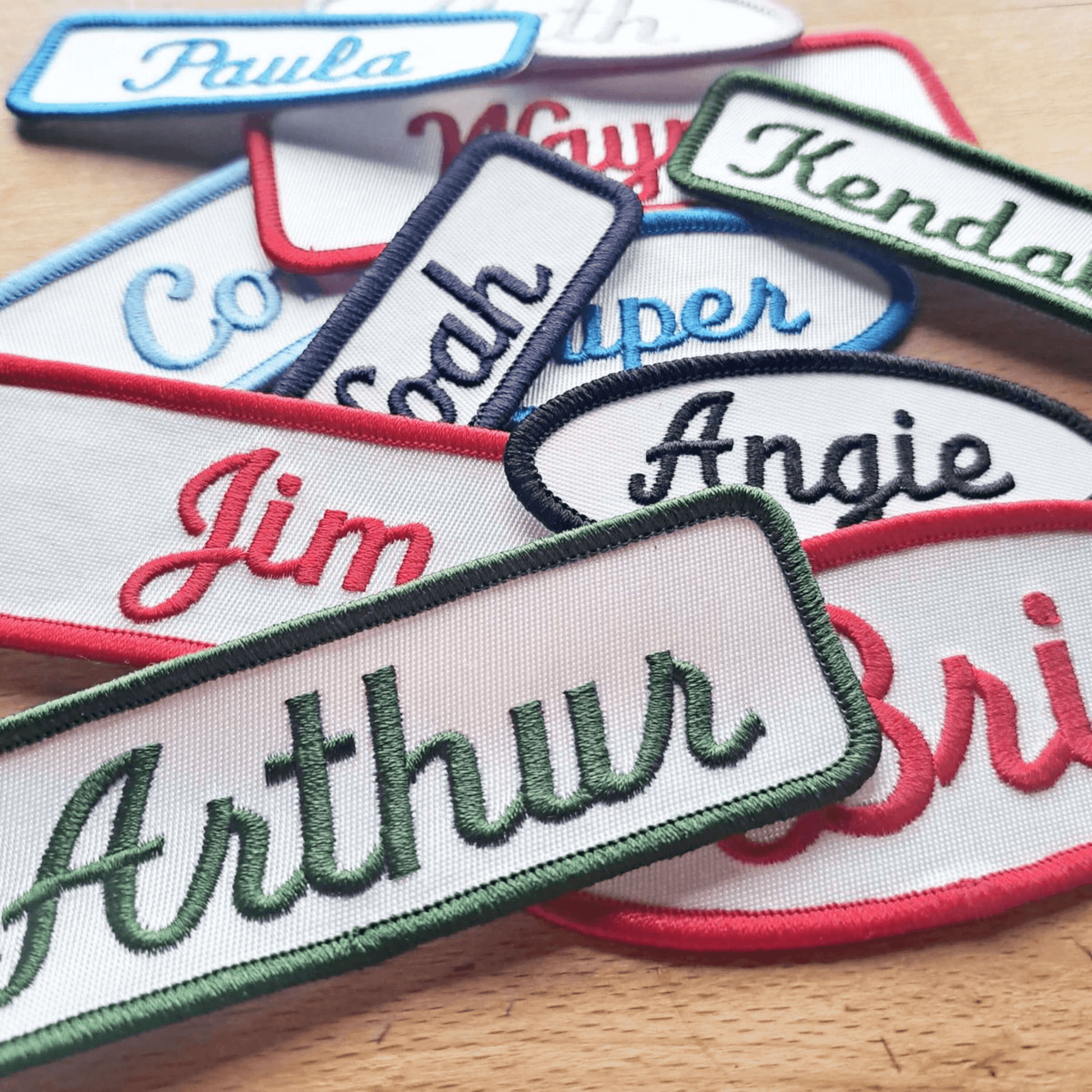
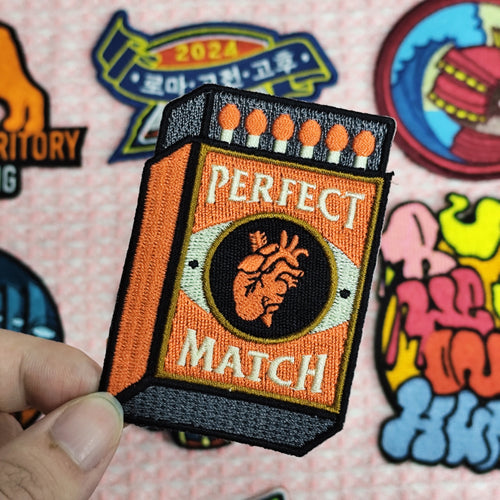
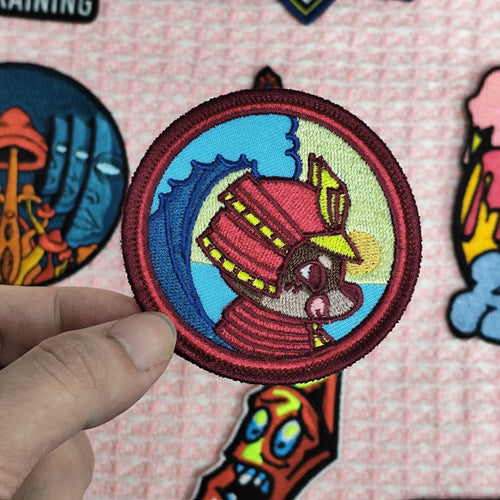
Custom embroidered patches gallery featuring detailed designs with iron on and Velcro patches for uniforms, jackets, bags, workwear, clubs, teams, and custom branding.


We offer custom embroidered patches as minimum as 5pcs! Order as many or as few patches as you want, and we'll give you unbeatable service. Every thread in our patches is tried and tested for color and form longevity. You can rest easy knowing that not only are you getting a great deal on your order custom patches, but also a lasting product.
Made with intention
An embroidered patch is made from two physical components: the thread that forms the design and the fabric base that supports the stitching. Together, these materials create the patch's texture, structure, and finished appearance.
At YallaPatches, we use high-quality polyester thread for embroidery. The base fabric is selected as twill or felt depending on the patch type, stitch coverage, and the look the design requires.
The right base depends on the design: twill is a durable woven foundation commonly used for embroidered patches, while felt provides a softer, thicker base for selected patch styles.
High-quality polyester embroidery thread
Polyester thread is stitched into the design to create the lettering, logo, border, and visible embroidered texture of the patch.
Twill or felt, selected by patch type
Twill is a tough woven base commonly used for embroidered patches. Felt is softer and thicker, making it suitable for selected patch designs and stitch structures.
Base selected according to stitches and patch type
The fabric foundation is chosen to support the design, stitch coverage, and intended finish, helping the embroidered patch keep its shape and character.
Patch application guide
Iron on patches bond best when the fabric is clean, the heat is steady, and the patch cools before it is handled. This guide gives customers a practical, easy-to-follow method for applying embroidered patches with heat-activated backing.
Lay the garment on a firm, heat-safe surface instead of a soft ironing board. Smooth the fabric, warm the area for a few seconds, then place the patch adhesive-side down. Add a thin pressing cloth over the patch so the embroidery and garment are protected from direct heat.
If the patch is on a sleeve, bag, or curved area, flatten that area first so the edges can bond evenly.
Use a hot, dry iron and press straight down over the covered patch. Hold steady pressure instead of sliding the iron. After the center is heated, press the border, corners, and any thick embroidered areas so the adhesive reaches the fabric underneath.
The motion should feel like holding the patch in place, not ironing wrinkles out of a shirt.
Keep the garment flat and let the patch cool completely. Cooling matters because the adhesive firms up as it settles into the fabric. Once cool, gently test the edge with a fingertip. If any part lifts, cover it again and repeat the pressing step.
Do not pull the patch up to inspect it while warm; that can weaken the bond you just created.
Choose the right finish
The custom patch backing changes how an embroidered patch is attached, removed, and used. Match the finish to the garment, the amount of wear, and whether the patch should stay in one position.
A stitched edge gives the patch a dependable hold on uniforms, workwear, bags, and fabrics that see regular movement or washing.
A heat-activated adhesive bonds the patch to compatible fabric without visible stitching. It is a practical choice for casual garments and simple application.
Hook-and-loop (velcro) backing lets you remove, replace, or reposition a patch when the surface includes a matching loop panel.
Embroidered patch edge guide
The border is part of a patch's identity. Compare two common embroidered patch edge finishes and choose the look that best fits your design, shape, and intended use.

A rolled or overlocked stitched edge that wraps around the outside of the patch, creating a raised, rounded finish.
Classic shaped patches, bold outlines, and designs that benefit from a distinct raised edge.

A border stitched directly onto the patch surface as part of the embroidery, giving the edge a flatter, integrated appearance.
Detailed artwork, compact shapes, and designs where the border should follow the stitch layout closely.
Material comparison
Embroidered, woven, and PVC patches each solve a different design problem. The best choice comes down to the amount of texture you want, how much fine detail the artwork contains, and where the finished patch will be used.
Raised thread texture
Embroidered patches use stitched polyester thread to create a classic raised surface. They work best for bold logos, readable lettering, uniforms, and designs where texture is part of the look.
Flat weave, sharp detail
Woven patches use finer threads in a flatter weave, making small text, narrow outlines, and detailed artwork easier to reproduce. The finish is smooth rather than raised.
Flexible molded rubber
PVC patches are molded from flexible rubber rather than thread. Their waterproof surface and optional 2D or 3D relief make them a strong choice for outdoor, tactical, and high-contact uses.
For a classic raised logo, choose embroidered. For small text and precise linework, choose woven. For waterproof, flexible, or tactical applications, PVC is usually the stronger match.
Artwork prepared for embroidery machines
YallaPatches also converts logos, lettering, and artwork into machine-ready embroidery files. Careful stitch planning helps control thread direction, density, underlay, and detail for cleaner embroidery on patches, uniforms, caps, and garments.